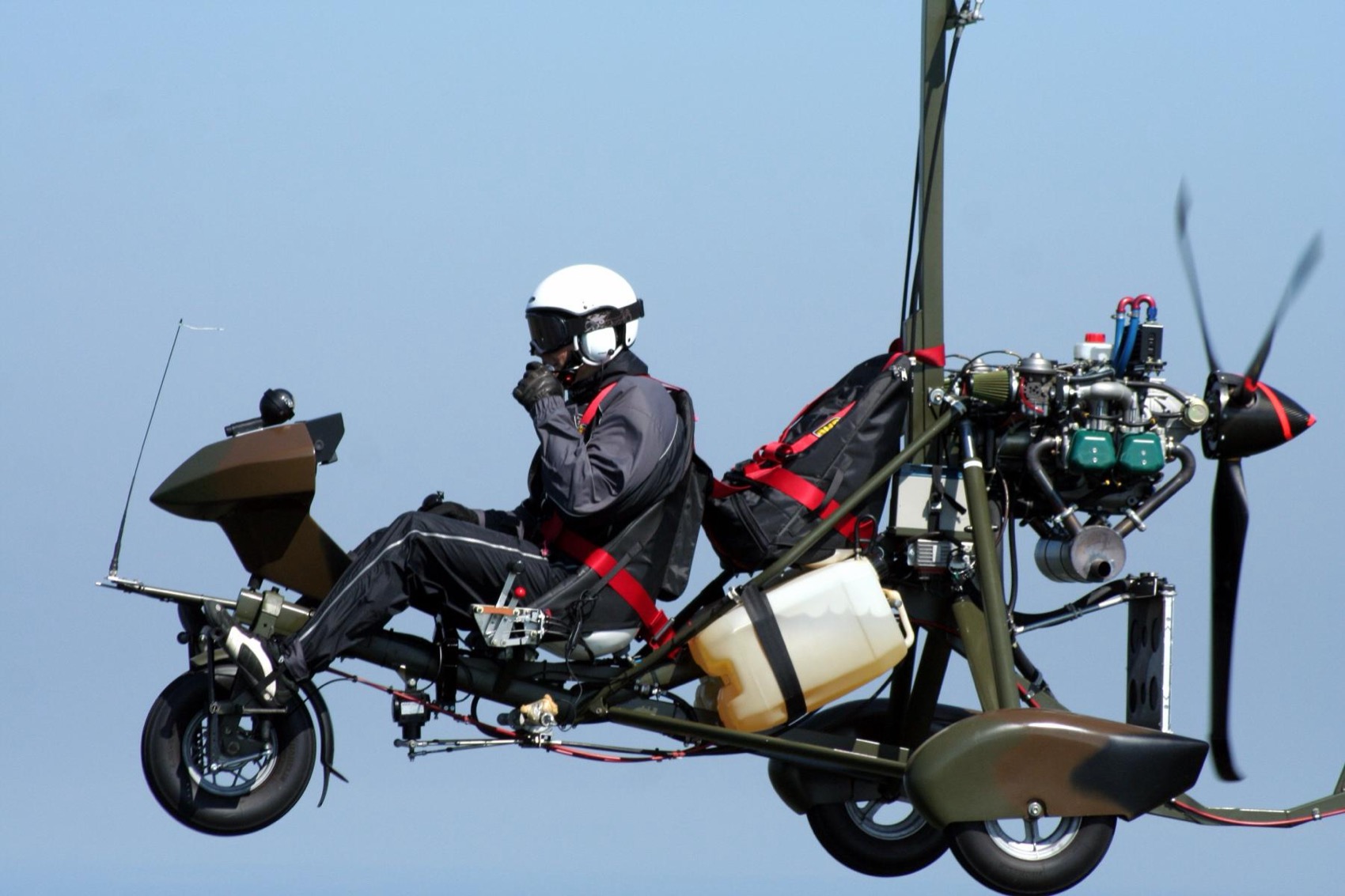
Here is an aircraft that costs a fraction of a helicopter, cannot stall, shrugs off wind, lands in a farmyard, and burns pump gas. So why is the sky not full of them? It is a fair question, and the honest answer is not one reason but a stack of them, some historical, some structural, and at least two that are changing right now. I sell nothing by pretending otherwise, so here is the list as I see it from inside the industry.
The short answer
- A safety reputation earned by 1960s homebuilts still shadows modern factory machines.
- Until the FAA's MOSAIC rule, no factory could sell a ready-to-fly certified gyroplane in the US.
- Instructors are scarce, so the pipeline of new pilots is thin.
- Insurance is expensive for new gyro pilots, and it feeds back into all of the above.
The reputation problem
The gyrocopter's worst enemy is its own history. The cheap open-frame homebuilts of the 1960s and 70s carried a genuine design flaw, a high thrust line with no horizontal stabiliser, and it killed people. The machines sold today have that flaw engineered out, and flown by trained pilots they have a solid record, but a reputation is a slow thing to repair. Every pilot who says "those things are death traps" is remembering an aircraft that has not been built in decades. I laid out the honest version in are gyrocopters safe, and the short form is: the danger was real, and it is largely history.
The regulatory box they were stuck in
For decades, US rules had no path for a factory to sell a ready-to-fly certified gyroplane. Nearly every machine in the country flew as experimental amateur-built, which meant kits, builder logs, and a 51 percent construction requirement. That single fact kept out the largest group of potential owners: people with money and interest but no appetite for building an aircraft in the garage. Fixed-wing light-sport aviation boomed after 2004 precisely because factories could sell finished aircraft. Gyroplanes were locked out of that boom. The FAA's MOSAIC rule, finalised in 2025, finally opens that door, and it is the single biggest reason to expect the next decade to look different.
The training bottleneck
Even a convinced buyer hits the next wall: finding someone to teach them. Gyroplane instructors are thin on the ground in the United States, and a student can face a long drive or an airline flight to reach one. Scarce instructors mean fewer new pilots, fewer pilots mean a small market, and a small market attracts few new instructors. It is a loop, and it is exactly the loop this site exists to help break, which is why our instructor directory is free to list in and why we collect demand by zip code when the directory comes up empty.
The insurance tax
Insurers price what they can measure, and what they measure is a small fleet with a bad historical record and a pipeline of low-time pilots. A new gyro pilot can see quotes in the thousands per year, liability alone commonly running around $1,500 to $1,800 and full hull coverage on a nice machine reaching several times that, with underwriters tightening further in recent years. For some buyers that premium is the deciding no. It eases with logged hours and training, but it is a real cost the brochure never mentions, and I cover it properly in gyrocopter insurance.
Cheap to fly, expensive to insure, hard to find a teacher for, and illegal to sell finished until 2026. The mystery is not why gyros are rare. It is how close that stack came to changing, and now has.
The parts that are genuinely changing
Two of the four walls are coming down. MOSAIC creates the factory-built light-sport path, so manufacturers can finally sell a finished gyroplane to an American buyer, and the same rule broadens what sport pilots may do, including night flying with a medical. Meanwhile the European factory machines have spent two decades quietly building the safety record that undercuts the old reputation. Training and insurance will lag, they always do, but both follow demand, and demand follows access. The aircraft did not change. The rules around it did.
What this means if you are deciding now
Being early has a discount attached. Used prices are modest, sellers are motivated, and the machines themselves are mature. The frictions are real but navigable: budget honestly for insurance, plan the trip to a real instructor, and buy a modern design with the stabiliser and thrust line the old reputation knows nothing about. The buyers who work through those steps get an aircraft the rest of aviation has not caught on to yet, at a price that will not survive the catching on. Start with the buyer's guide and see what the market looks like today.
See the market before the crowd does
Browse what is actually for sale, who builds it, and where to get the rating that lets you fly it.
Report inaccurate information. This page mixes public data with our own notes. Tell us what looks off and we will check it.