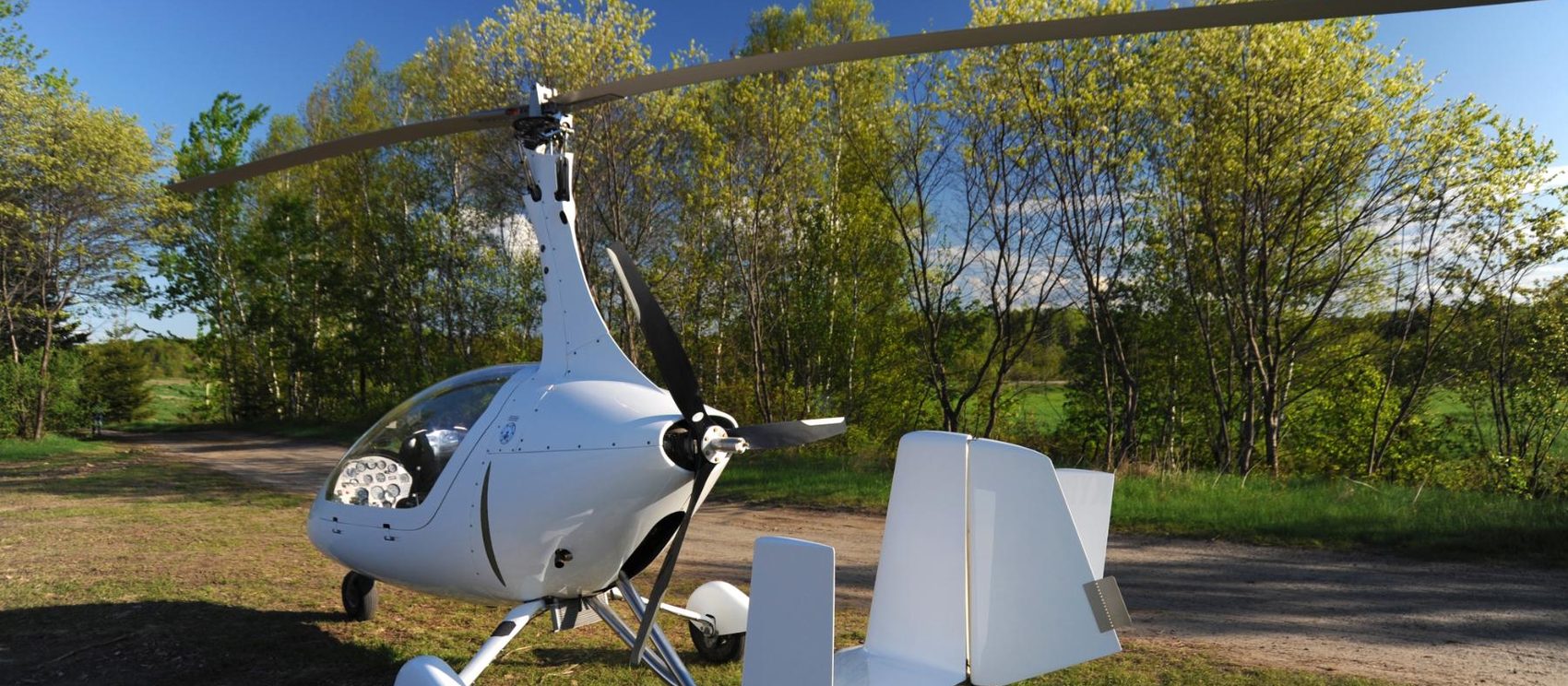
There is no single best gyrocopter, and anyone who names one is selling something. What exists is the best machine for how you will actually fly, your budget, and the support you can reach. Get those three right and the shortlist writes itself. Get seduced by a spec sheet and you end up with someone else's ideal aircraft.
I run the manufacturer directory on this site, so I read these spec sheets for a living. Here is how I would actually choose, in the order the decisions matter.
What actually decides it
- Open or enclosed cabin, which is a comfort and climate decision more than a performance one.
- Side-by-side or tandem seating, which changes training, sightseeing and the feel of the aircraft.
- Engine, which sets the price and the performance more than the badge does.
- Dealer support and parts near you, which matters more than any feature on the brochure.
Start with how you will fly it
Before you compare a single model, be honest about the mission. If you want to fly year-round in real weather and take a passenger in comfort, an enclosed, side-by-side machine like an AutoGyro Cavalon is built for that. If the appeal is the wind in your face and the lowest price of entry, an open tandem such as an AutoGyro MTOsport or a Magni M16 gives you that for less money and weight. Neither is better. They are answers to different questions, and pretending otherwise is how people buy the wrong aircraft.
| If you want | Look at |
|---|---|
| All-weather comfort, a passenger | Enclosed, side-by-side cabins |
| Lowest cost, open-air flying | Open tandem machines |
| More speed and climb | A turbocharged engine, and pay for it |
| The cheapest way in | A clean used machine or a kit |
The engine matters more than the name
Most modern gyroplanes run a Rotax engine, and which one is fitted tells you more about the aircraft than the manufacturer's logo does. A naturally aspirated version is the sensible, affordable default for most flying. A turbocharged version buys you climb and performance at altitude and on hot days, and it costs meaningfully more to buy and to run. Decide whether you actually need that performance before you pay for it, because a lot of buyers pay for turbo bragging rights they never use.
The factor that outranks every feature: who supports the aircraft near you. A gyroplane with a dealer, an instructor on type, and a parts pipeline within reach is worth more than a technically superior machine you cannot get serviced or trained on. Before you fall for a model, find out who maintains it and who teaches it in your region. If the answer is nobody, keep looking.
New, used, or a kit
The same model can be bought three ways, and the right one depends on your cash and your appetite for risk. New gives you a warranty and current avionics at full price. A clean used factory machine is the value sweet spot for most first-time buyers, provided you check the logs and the rotor life. A kit is the lowest cash price, paid for in build time and skill, and it comes with its own trade-offs I cover in building or buying a kit. The running costs land in a similar place whichever route you take, as I break down in what a gyrocopter costs.
The mistakes that cost buyers most
Three errors show up again and again, and all three are avoidable. The first is buying on top speed, a number you will hardly ever use, while ignoring the cabin you will sit in on every single flight. The second is chasing a bargain with no support behind it, then discovering the nearest mechanic who knows the type is a state away and the parts ship from another continent. The third is skipping the demo flight to protect a deposit, and only learning after the money has changed hands that you do not fit the aircraft, or simply do not enjoy how it flies. Each of these is cheap to avoid and expensive to fix.
How to actually shortlist
Fly before you buy, ideally more than one type. A demo flight tells you in twenty minutes what a month of forum reading cannot: whether you fit the cabin, whether the controls suit you, whether you even like the aircraft. Then compare the two or three finalists on the things that vary between real machines, cabin, seating, engine, weights and condition, which is exactly what our manufacturer pages record, reproduced as each company publishes them. The best gyrocopter to buy is the one you have flown, can afford to keep, and can get supported. Everything else is marketing.
Compare the machines that fit your mission
Cabin, seating, engine and weights, recorded per aircraft. Start from how you want to fly, then narrow it down.
Report inaccurate information. This page mixes public data with our own notes. Tell us what looks off and we will check it.