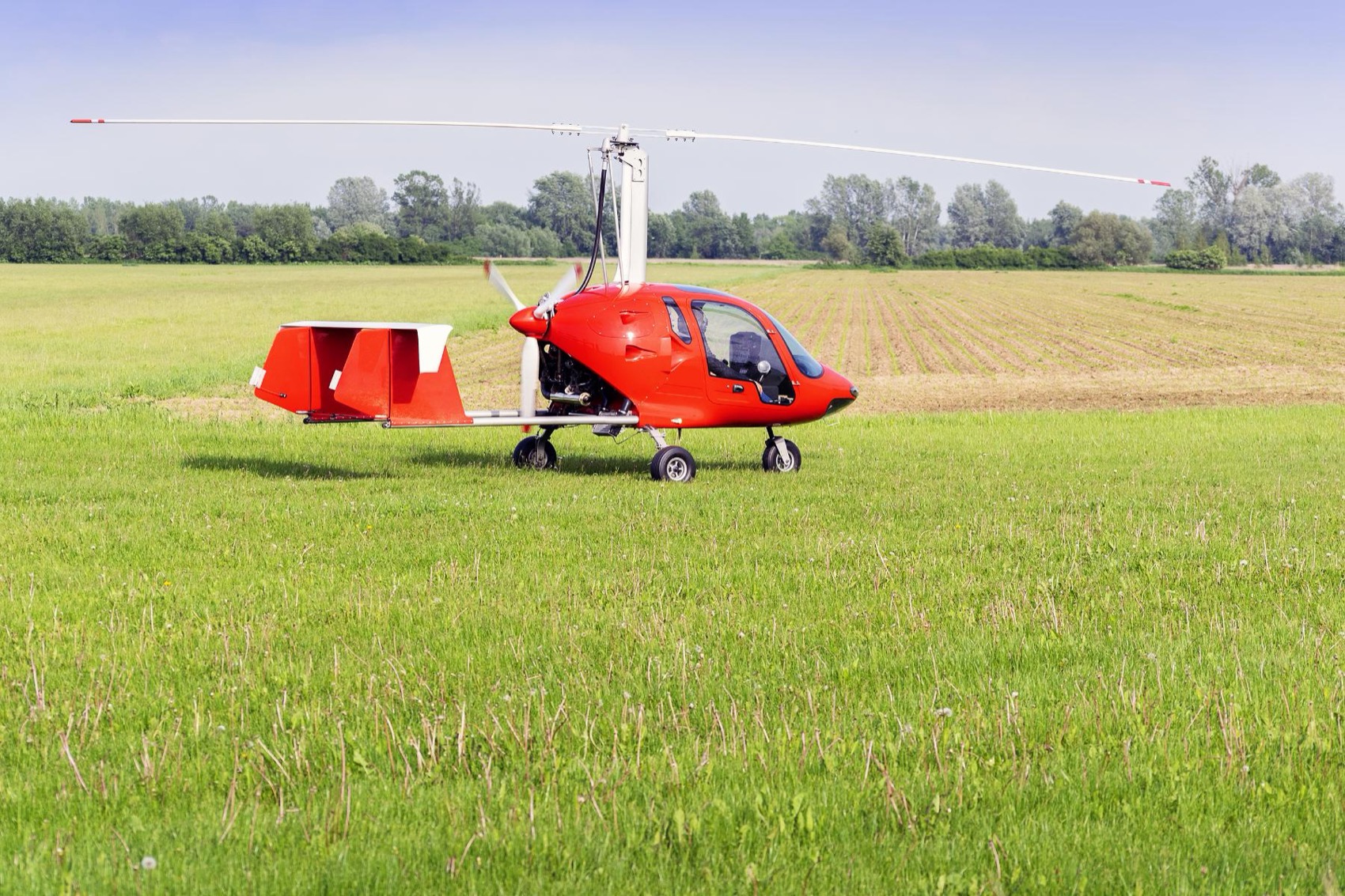
The honest range for a new two-seat gyrocopter is roughly $70,000 to $150,000, and a used one can be had for far less. That spread is wide enough to be almost useless on its own, so here is what actually moves the number, and the running costs that never show up in a sale price.
A note on every figure below. These are the prices sellers and manufacturers ask, not appraisals, and they move with the engine, the avionics, the exchange rate and the year. Treat them as a map, then get a written quote on the exact aircraft.
What you are looking at
- New factory two-seater: about $70,000 to $150,000, depending mostly on engine and instruments.
- Used: often $20,000 to $60,000, with condition and hours mattering more than age.
- Experimental kit: the lowest cash price, paid for in build time and skill.
- Ownership adds a few thousand a year before you buy a drop of fuel.
What drives the sticker price
Most of the price gap between two similar-looking machines comes down to a short list. The engine is the biggest single lever: a turbocharged Rotax 915 costs well more than a naturally aspirated 912, and it shows up in the total. After that it is the glass cockpit, the enclosed cabin versus an open one, and the options that quietly stack up, a ballistic parachute, a second radio, heating, paint. An AutoGyro Cavalon, the enclosed side-by-side model, has been listed from around $80,000 before options; open tandem machines like a Magni M16 sit in a similar band once landed and equipped.
| Route | Typical asking price | What you get, and give up |
|---|---|---|
| Used experimental | $20k to $45k | Cheapest way in; build quality varies by who assembled it |
| Used factory-built | $40k to $80k | A known machine with hours on it; check the logs and rotor life |
| New, equipped | $70k to $150k+ | A warranty and current avionics; the full retail hit |
| New kit to build | $40k to $70k in parts | Lowest cash, highest time; hundreds of hours of your labour |
The costs the sale price hides
A gyrocopter is cheaper to run than almost anything else with a rotor, but cheaper is not free, and the bills below are the ones buyers forget to budget for. None of them is a surprise if you ask before you buy.
Plan for a hangar or covered tie-down, insurance sized to your hours and the hull value, an annual condition inspection, and the two consumables that catch people out: rotor blades and drive belts carry a service life and a replacement cost, and a Rotax has a published overhaul interval. None of these is optional. All of them are predictable, which is the point. Ask the seller for the blade age and the engine hours in the same breath you ask the price.
On fuel, the news is genuinely good. Most of these engines burn ordinary automotive gasoline at roughly five to six gallons an hour, closer to a car than a light airplane, and nothing like a turbine helicopter. Fly a hundred hours a year and fuel is a minor line next to insurance and inspection. Some owners shrink the fixed costs further by sharing a hangar or flying within a club, which spreads the bills that dominate the yearly total across more than one wallet.
Which route fits your budget
Match the buying route to what you actually have, in cash and in time.
A quick sort
- If cash is tight and you enjoy building, a kit gives you the most aircraft per dollar, as long as you have the hours and a mentor.
- If you want to fly this season and skip the workshop, a clean used factory machine is the sweet spot on price and peace of mind.
- If you want a warranty, current instruments and nobody else's history, buy new and budget for the options you will inevitably add.
The cheapest gyrocopter on the market is rarely the cheapest one to own. A tired airframe with blades near the end of their life can cost more in year one than a dearer machine with life left in it.
One change worth knowing about
Until recently, nearly every gyrocopter flown in the United States was an experimental aircraft, because the rules did not allow a factory to sell a ready-to-fly certified one. The FAA's MOSAIC rule, finalised in 2025, changes that and opens the door to factory-built light-sport gyroplanes, with the aircraft-certification piece taking effect in mid-2026. Expect the new-aircraft market to shift over the next few years. If you are buying now, it is one more reason to confirm exactly what category a given aircraft is certificated in before you sign.
Put real numbers against your own budget
Our financing page walks through what a lender wants to see and runs a calculator on your figures, not an industry average.
Report inaccurate information. This page mixes public data with our own notes. Tell us what looks off and we will check it.