New to gyrocopters?
Get clear answers about the aircraft, costs and the path to your first flight.
Start with the basics
Gyroplanes, end to end
Explore manufacturer-sourced model data, practical guides and U.S. gyroplane training. Choose the next step that fits you.
Get clear answers about the aircraft, costs and the path to your first flight.
Start with the basicsUnderstand the available add-on paths and find gyroplane-specific instruction.
Explore your training pathCompare models, inspect the sources and plan the practical side of ownership.
Explore owner resourcesThe flight log
Aircraft, ownership and the path into gyroplane flying. Find your next read and save it for later.
Assess engine calendar time and hours against the documents for its exact model and serial number. Airframe age alone cannot establish whether an overhaul is due.
· 4 min read
A fixed-wing VNE is usually a structural limit. On a gyroplane it is usually the retreating rotor blade approaching a stall, a mechanism that has nothing to do with horsepower.
· 4 min read
Prepare for both ground discussion and flying skills. The applicable FAA standards guide assessment throughout a gyroplane practical test.
· 4 min read

Start here
They all describe the same machine — an unpowered rotor kept turning by the air flowing up through it, with a separate engine for thrust. In an engine failure, maintaining airspeed and selecting a suitable landing area require prompt, practiced pilot action.

Why a gyrocopter
Explore how gyroplanes fly, what ownership involves, and which training path fits your experience. Costs and capabilities vary by aircraft and location.
Find your aircraft
Seven quick questions. The matches come from manufacturer-published data, every recommendation shows the facts behind it, and you can request a quote on the spot.
Question 1 of 7
This shapes the advice around your matches, not the aircraft themselves.
Question 2 of 7
Training needs a second seat for the instructor.
Question 3 of 7
Question 4 of 7
Side-by-side lets an instructor point and demonstrate; tandem keeps the airframe slim.
Question 5 of 7
Question 6 of 7
Hot, high-elevation fields reward a turbocharged engine that holds power in thin air.
Question 7 of 7
This routes the next steps; it does not change the aircraft matches.
Last one, and it is optional
Used only to link you to instructors and schools nearby.
Scored against the manufacturer-published data on file. A model missing a figure is never penalised for it; it simply cannot earn that point.
This is a starting shortlist from published specifications, not flight or purchase advice. Prices vary widely with equipment and year; confirm everything that matters with a demonstration flight, the flight manual, and the dealer or seller. Where a figure above is absent, the manufacturer does not publish it.
The builders
Each brand page carries the airframes currently listed under it, the schools that instruct on the type, and what we have written about it.
Open the directoryCommon questions
Straight answers where a straight answer exists, and a clear reason where one does not. Anything that depends on where you fly sends you to your own aviation authority rather than guessing on your behalf.
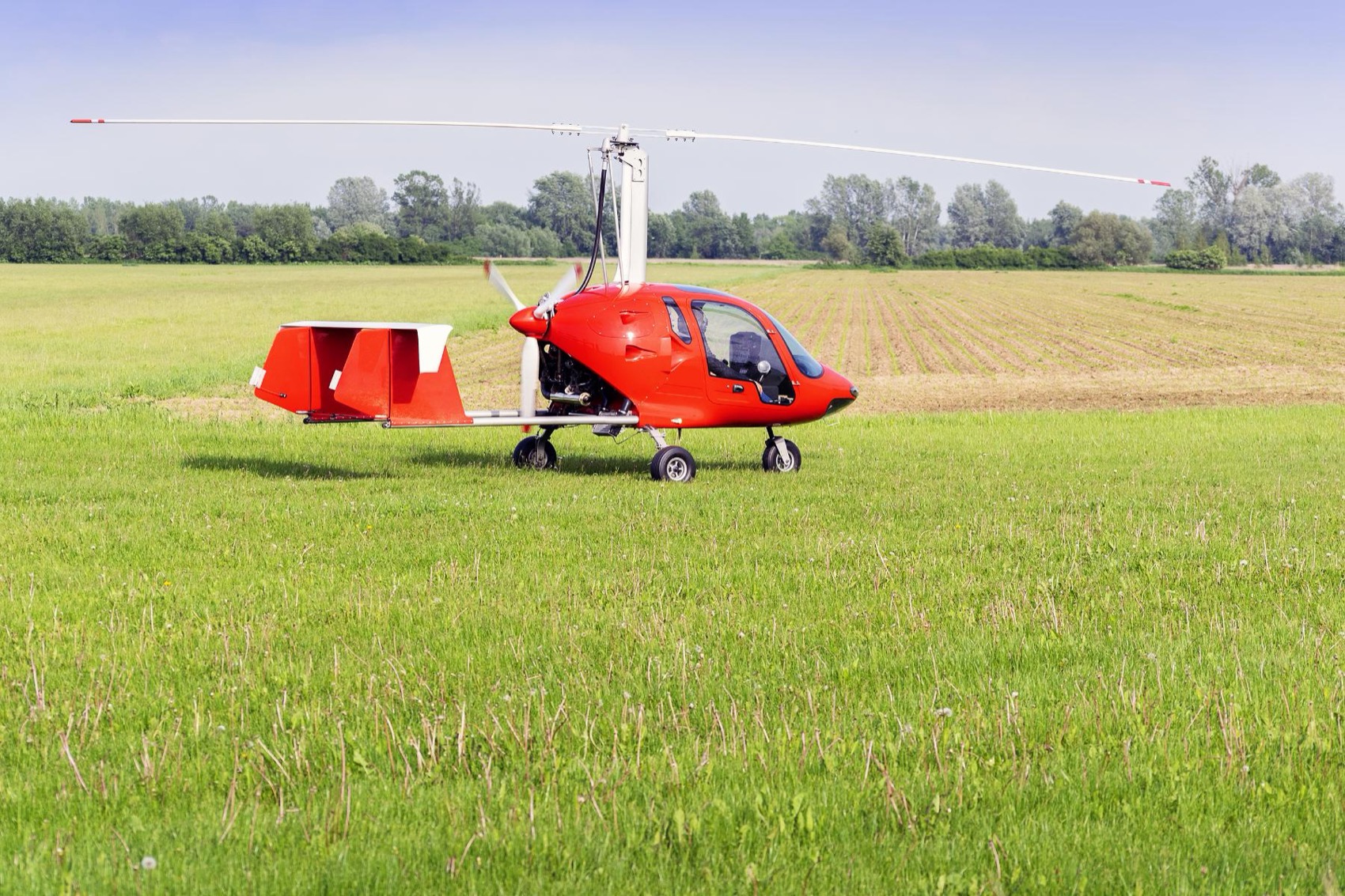
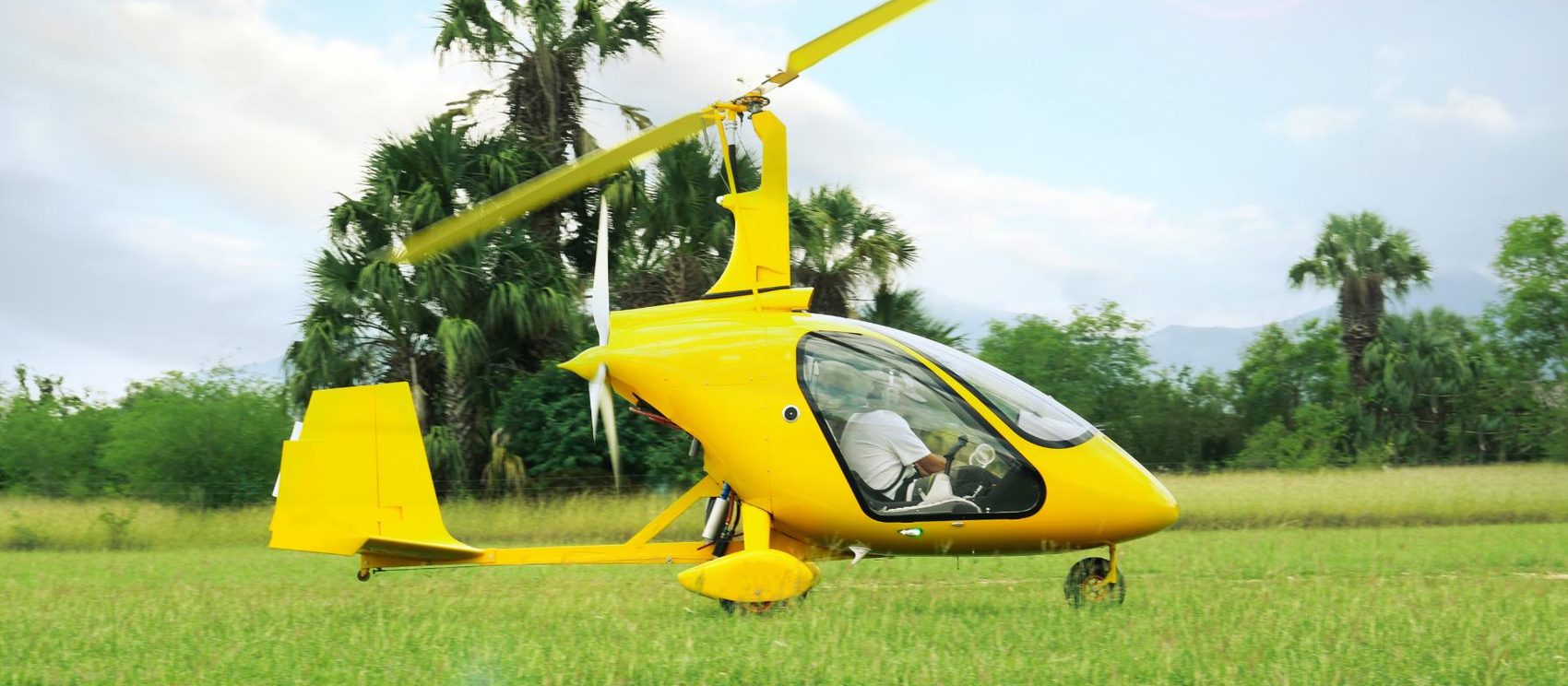
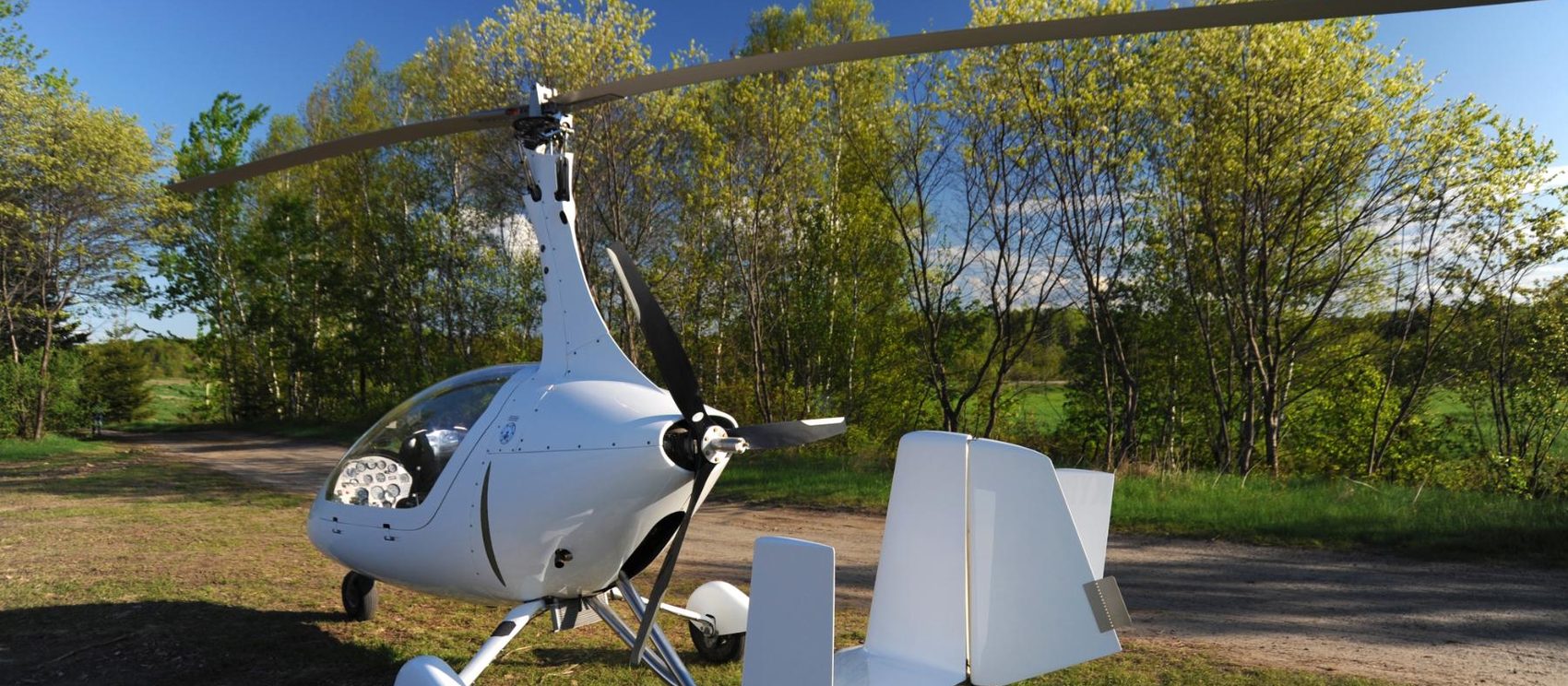
A gyrocopter is a rotorcraft that gets its lift from a rotor that nothing drives. Air flowing up through the disc keeps the blades turning, an effect called autorotation, while a separate engine and propeller provide forward thrust. It is the same principle a helicopter falls back on when its engine stops, except a gyroplane is in that state the whole time by design.
You will see the same aircraft called a gyroplane, an autogyro, or a gyrocopter. The words are interchangeable in normal use. Regulators tend to prefer gyroplane, which is why it is the term used across the rest of this site.
Thrust and lift come from two separate places, which is the whole trick. The propeller pushes the aircraft forward. That forward motion drives air up through the tilted rotor disc, which spins the blades and generates lift. The rotor is not connected to the engine in flight.
One consequence matters more than any other: because the rotor is turned by airflow rather than by the engine, an engine failure does not stop the rotor. The aircraft descends, still under the pilot's control, rather than dropping. That is also why a gyroplane cannot hover in still air the way a helicopter can, and why it needs a takeoff roll.
There are not enough priced listings on the site yet to quote a meaningful range, so we will not invent one. See what is listed today.
The spread is wide because the category is wide. A single-seat kit that the owner assembles sits at one end; a factory-built, fully enclosed two-seater with a glass panel and a certified airframe sits at the other, and can pass 300,000. Condition, airframe and engine hours, avionics and where the aircraft is registered all move the number.
Purchase price is not the running cost. Budget separately for hangarage, insurance, annual inspection, rotor and engine overhaul intervals, and training if you are not already rated. Ask any seller for the maintenance history before you discuss price at all.
We are not going to give you a number. Accident rates vary by country, by period, and by how the statistic is counted, and a figure quoted without that context is worth nothing to someone deciding whether to fly.
What can be said usefully is what drives the record. The autorotating rotor means an engine failure is a descent under control rather than a loss of lift, which is a genuine structural advantage. Against that, gyroplanes are sensitive to specific handling errors, particularly relating to rotor management and power changes, and the accident record has historically been dominated by pilot handling and by inadequately trained or unconverted pilots rather than by mechanical failure.
The practical answer: train properly on type with an instructor approved for gyroplanes, stay current, and read your national authority's published accident reports for the type you are considering. Those reports are the real answer to this question and they are freely available.
In essentially every country with a functioning aviation authority, yes. What that licence is called, what medical it requires, how many hours it takes and whether it can be added to a licence you already hold differ from country to country, and they change.
Because of that, this site does not publish a licence requirement, and you should be wary of any site that publishes one without saying which country it applies to. Check with your own civil aviation authority, then talk to a school that instructs on gyroplanes. Our training directory lists schools by country along with the approval reference each one publishes about itself.
The paperwork, before the aircraft. Ask for the airframe and engine logbooks and confirm the recorded hours match what the advertisement claims. Ask what has been done about any applicable airworthiness directives or manufacturer service bulletins for the type. Ask who has maintained it, and when the last inspection was signed off.
Then get an independent engineer who knows gyroplanes to look at it, one you appointed rather than one the seller suggested. Rotor blades, the rotor head and the mast are the expensive parts, and their history matters more than cosmetic condition.
Nothing on this site is a substitute for that inspection. Listings are written by sellers, and we do not verify them.
Community
A lot of the useful knowledge in this world sits in group threads rather than on websites. These are worth joining. We do not run them, we do not moderate them, and a post there carries no more guarantee than a listing here: check anything you plan to act on.
Facebook group
Education, research and connecting with other owners and pilots.
Education Research Connect
Facebook group
Aircraft changing hands on Facebook Marketplace, posted by owners and dealers.
Marketplace Buying Selling
Text size
Contrast and legibility
Motion
These are display preferences saved to this browser. They do not replace your operating system or browser accessibility settings, which this site also respects. If something here does not work with your assistive technology, our accessibility statement lists the known gaps and how to report a new one.