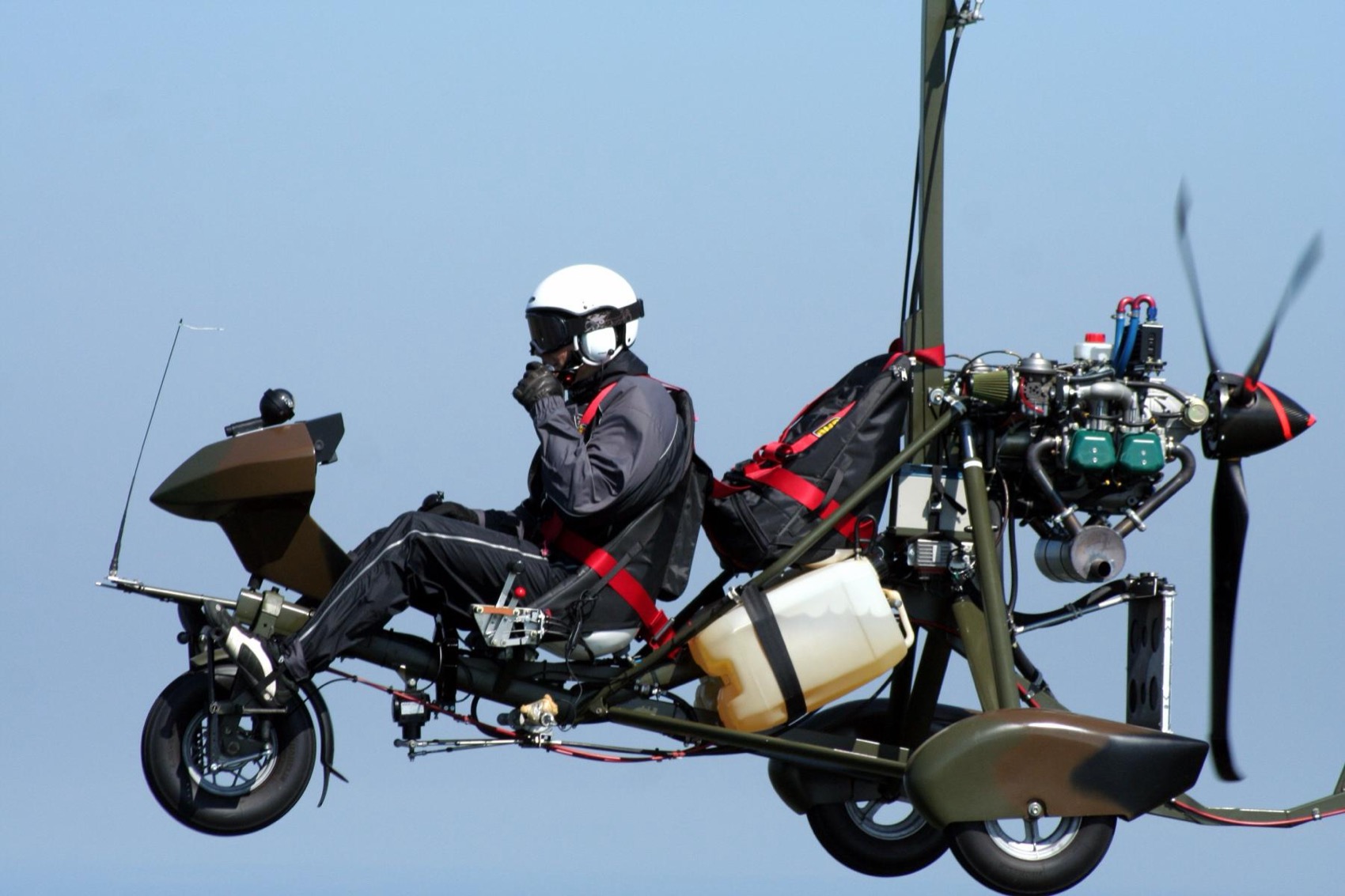
A kit is the cheapest way into a gyrocopter measured in cash, and the most expensive measured in time and skill. That trade sits at the heart of the build-or-buy question, and the right answer depends less on the aircraft than on how you want to spend the next year. Here is what building actually involves, what a factory machine buys you instead, and the US rules that shape both.
The trade in four lines
- Build a kit and you save cash but spend hundreds of hours and real skill.
- Buy factory and you pay more for a finished, warranted, known machine.
- In the US most kit gyros are experimental amateur-built, where you must do the major portion of the work.
- Buying a used kit machine, who built it matters as much as what it is.
What building a kit really means
A gyrocopter kit is not flat-pack furniture. Depending on how complete the kit is, you are looking at a long stretch of careful work: assembling the airframe, fitting the engine and rotor system, wiring and plumbing, rigging the controls, and testing all of it. Plan for hundreds of hours, a proper workshop, and the honesty to know which jobs are beyond you. The people who enjoy it treat the build as half the hobby. The people who regret it wanted to fly and discovered they had bought a construction project. Factor the calendar honestly too: a build that stalls in a garage for two years is a common story, and an unfinished project sells for a fraction of the parts that went into it.
The US rule that shapes everything
For most of the aircraft's history in the United States, a kit gyrocopter has been certificated as experimental amateur-built, and that category carries a specific condition: you, the builder, must complete the major portion of the work, commonly described as the 51 percent rule. You document the build with photographs and a log, an inspector examines the finished aircraft, and it is registered and given an N-number. Build it yourself and you can usually earn a repairman certificate for that aircraft, which lets you perform its annual condition inspection. Buy someone else's amateur-built machine and that privilege does not come with it.
| Route | Up-front cost | The real trade |
|---|---|---|
| Build a kit | Lowest cash | Hundreds of hours and skill; you may earn a repairman certificate |
| Buy used kit-built | Low to middle | Cheap to buy, but the build quality is whoever's who built it |
| Buy factory-built | Highest | Finished, warranted, a known quantity out of the crate |
Buying a kit someone else built
This is the route most people actually take, and it has one rule above all: the builder matters more than the badge. Two aircraft from the same kit can be worlds apart depending on who assembled them, so treat the build like the used car it is. Ask who built it and whether they still fly. Get the build log and the photographs. Have someone who knows gyroplanes inspect it, and pay particular attention to the rotor system and the age of the blades and belts. A cheap kit-built machine with a careless history is not a bargain, it is a bill waiting to arrive.
There is no such thing as an FAA-approved manufacturer, only aircraft certificated in a category. The same design can be factory-certified in Europe and registered as experimental in the United States. So when a seller tells you a brand is approved, the useful question is: which aircraft, in which country, under which category? The answer changes what you can do with it and who can maintain it.
What MOSAIC changes for buyers
This is genuinely new. Until recently the rules did not allow a factory to sell a ready-to-fly certified gyroplane in the United States, which is why the experimental route dominated. The FAA's MOSAIC rule, finalised in 2025, opens a path to factory-built light-sport gyroplanes, with the aircraft-certification piece taking effect in mid-2026. Over the next few years that should give buyers a genuine factory option alongside the kits. If you are deciding now, it is one more reason to confirm the exact category of any aircraft before you commit, and to keep an eye on how the new-aircraft market develops.
So, build or buy
A quick sort
- Love building and have the time and a mentor? A kit gives you the most aircraft per dollar and a repairman certificate at the end.
- Want to fly this season and skip the workshop? Buy a well-inspected used machine and check who built it.
- Want a warranty and no history to inherit? Buy factory, and watch the new light-sport options as they arrive.
Price the routes against your own numbers
Kit, used or factory, the running costs are similar once you are flying. Our cost guide and financing tools work on your figures, not an average.
Report inaccurate information. This page mixes public data with our own notes. Tell us what looks off and we will check it.