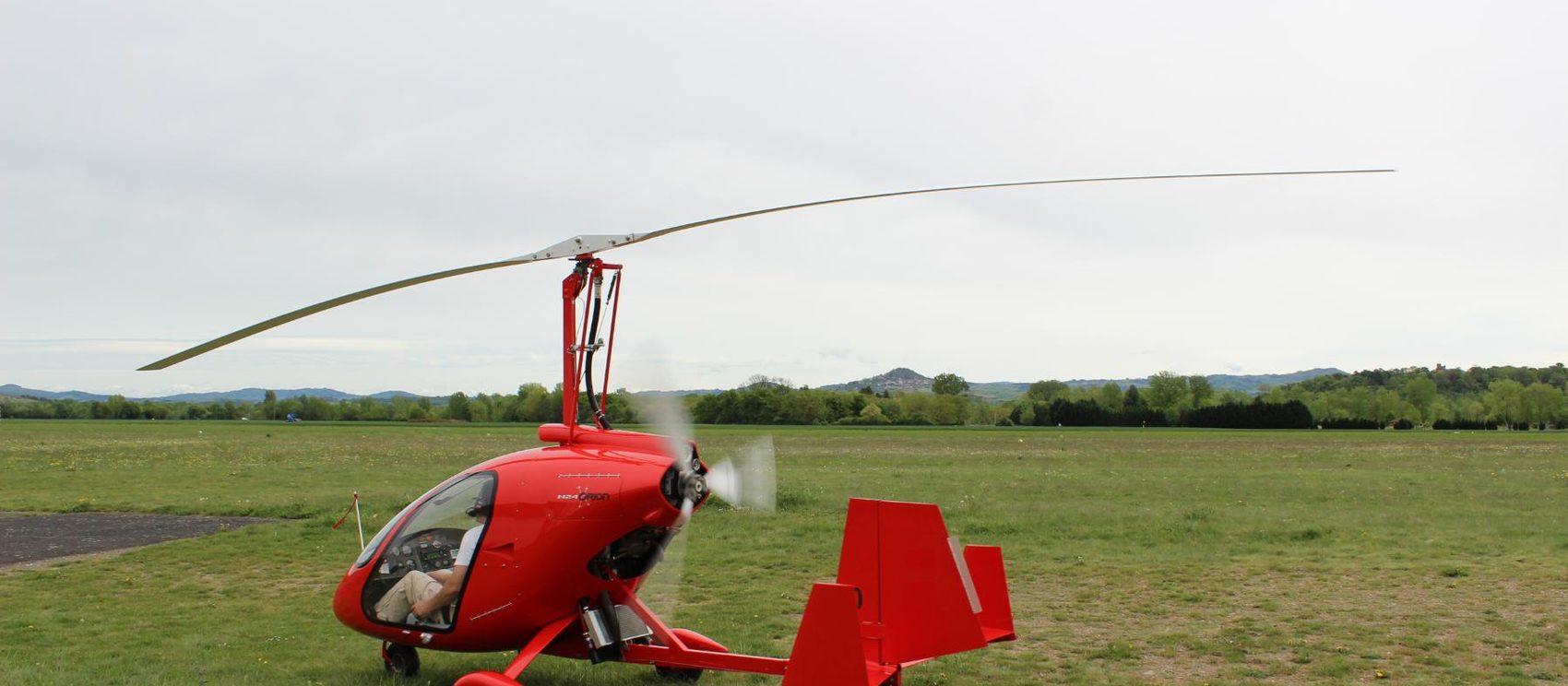
Most modern gyrocopters run on ordinary unleaded gasoline from a filling station, the same fuel your car uses. That single fact is one of the quiet reasons the aircraft is so much cheaper to operate than a helicopter or a typical light airplane. There are caveats worth knowing before you fill a jerry can, but the headline is genuinely that simple.
The short answer
- Most gyrocopters use a Rotax engine designed to run on unleaded automotive gasoline, ideally premium.
- Leaded aviation fuel, 100LL, works but is harder on the engine and means more frequent oil changes.
- Ethanol content and octane matter; check what your engine manufacturer allows.
- Fuel burn is low, roughly 5 to 6 gallons an hour, so fuel is a minor part of the running cost.
Why automotive fuel is the default
The Rotax engines that power most factory gyroplanes were designed around unleaded automotive gasoline, not aviation fuel. The manufacturer actively prefers it. Premium unleaded of around 91 octane keeps a common variant happy, and the engine runs cleaner on it than on the leaded alternative. For the owner that means you can often fuel from a station or a can instead of paying airport prices for aviation gas, which is a real saving over a flying season.
Where aviation fuel fits in
You can burn 100LL, the leaded aviation gasoline, and sometimes you will need to, because it is what an airport pump offers. Used occasionally it does no harm. Used constantly, the lead builds up on valves and in the oil system, and the usual advice is to change the oil twice as often, roughly every 25 hours instead of 50, to cope with it. So 100LL is a fallback, not a first choice, and knowing that saves you money and maintenance down the line.
| Fuel | Verdict | Catch |
|---|---|---|
| Premium unleaded auto gas | Preferred for most Rotax engines | Watch the ethanol limit and keep it fresh |
| Ethanol-free auto gas | Ideal where you can find it | Not available everywhere |
| 100LL avgas | Fine occasionally | Lead build-up; change oil more often |
The two things that actually bite people
First, ethanol. Pump gasoline often contains ethanol, and while a common Rotax will tolerate up to ten percent, ethanol attracts water and goes off in storage, which is a problem for an aircraft that may sit between flights. Where you can buy ethanol-free fuel, it is worth the trip. Second, octane. Run an engine that wants premium on cheap regular and you invite knock. Neither is complicated, but both are in your engine manual for a reason.
The rule that overrides everything on this page: your engine's own manual is the authority, not a website. Rotax publishes exactly which fuels each variant accepts, at what octane, with what ethanol limit, and under what temperature and altitude conditions. Read it, and if you bought a used machine, find out what it has actually been fed, because a history of the wrong fuel shows up as a bill.
Fuel and the aircraft that sits between flights
Here is a detail that catches people out until it costs them a flight. An aircraft often sits for weeks at a time, and fuel does not age gracefully in a tank. Gasoline with ethanol in it is the worst offender, pulling in moisture from the air and going stale, which is one more reason the ethanol-free option is worth hunting down where your engine allows it. Owners who fly only now and then tend to keep just fresh fuel aboard, use a stabiliser where it is appropriate, and drain a sample to check for water before they fly. It is a small, boring habit, and it is the difference between a smooth start and a rough-running engine at exactly the moment you would least want one.
Car fuel in an aircraft still surprises people. It is one of the plain reasons a gyrocopter costs a fraction of a helicopter to keep flying.
What it costs to keep one fueled
Here is the payoff. A gyroplane sips fuel, burning something like five to six gallons an hour in cruise, and it can burn the cheaper automotive kind. Fly a hundred hours in a year and your fuel bill is modest, dwarfed by insurance and the annual inspection. Older two-stroke machines are a different story, needing oil mixed into the fuel, but the four-stroke Rotax that powers the aircraft you are likely to buy just wants clean premium gasoline and regular oil changes. Keep it fed the fuel it was built for and it repays you with cheap, dependable hours. For the running numbers in full, see what a gyrocopter costs.
See the engines behind the fuel
Which engine a gyroplane carries decides its fuel, its performance and much of its price. Compare what each manufacturer fits.
Report inaccurate information. This page mixes public data with our own notes. Tell us what looks off and we will check it.