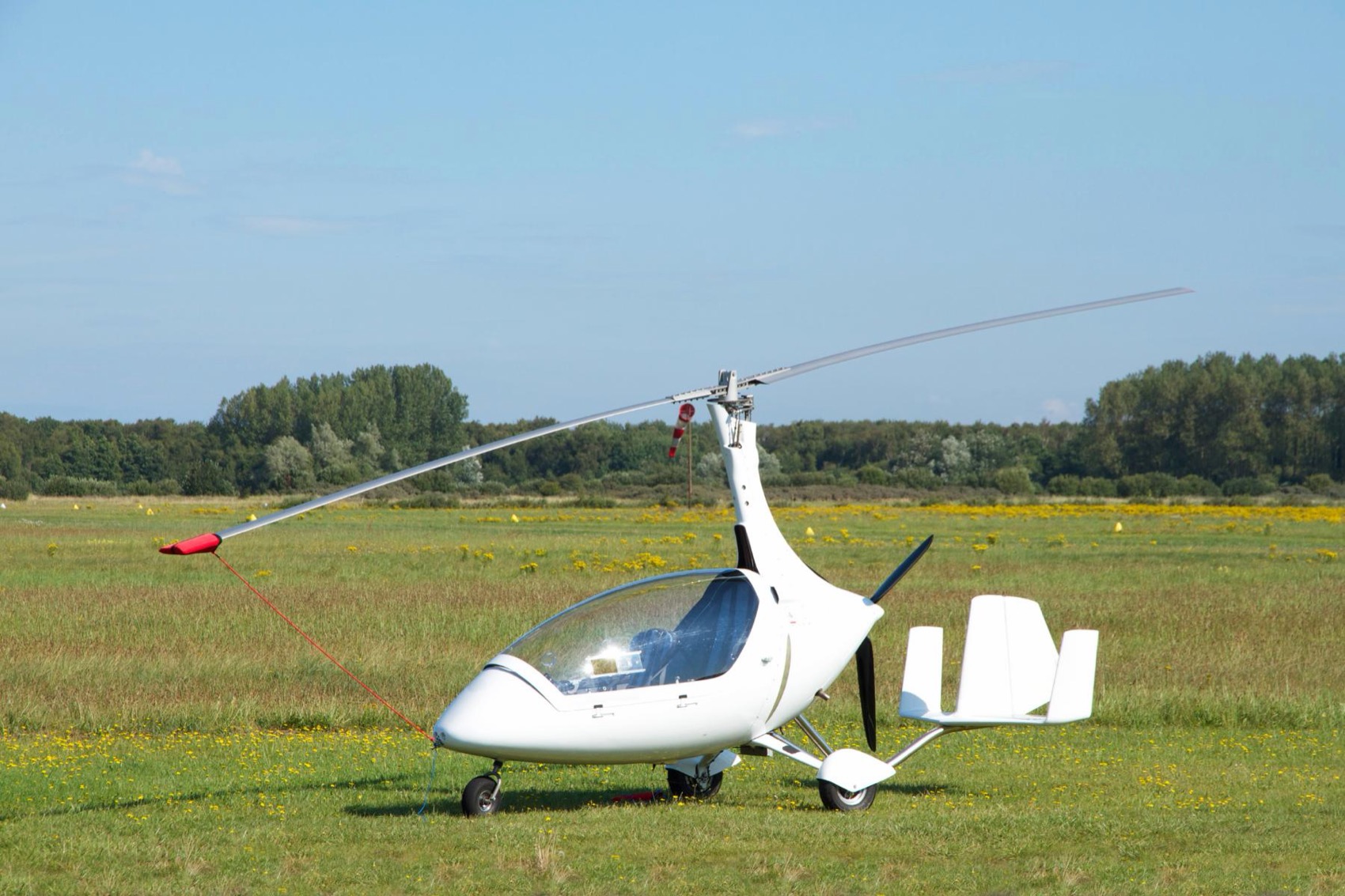
For twenty years an American flight school that wanted to teach in gyroplanes ran into the same wall. There was no factory-built, certificated two-seat gyroplane it could buy, put on the line, and rent to students the way it rents a Cessna. The FAA's MOSAIC rule takes that wall down. The changes for sport pilots went live on 22 October 2025, and the part that matters most to schools, a first-ever certification path for factory-built light-sport gyroplanes, takes effect on 24 July 2026. If you looked at gyroplane training a few years ago and the numbers did not work, they are about to.
What MOSAIC actually does for gyroplanes
- Gyroplanes can now be certificated in the light-sport category. That path did not exist before.
- The FAA declined to put a weight cap on light-sport gyroplanes, so a design's full gross weight, and its useful load, is back on the table.
- The old rotor-system restriction is gone for newly built light-sport gyroplanes.
- Two seats and two occupants is the ceiling, which is exactly what a trainer needs.
The barrier that kept gyroplanes out of the classroom
Under the rules written in 2004, a gyroplane could not be issued a light-sport airworthiness certificate at all. Section 21.190 blocked it. A factory could sell you a machine only as an experimental amateur-built kit, which a buyer had to construct and which is awkward to use for paid instruction and rental. A sport pilot could fly a gyroplane, but only one with a specific fixed-pitch, semi-rigid, teetering, two-blade rotor. So schools were stuck choosing between aircraft they could not legally run as a rental trainer and a category the FAA did not offer them. Most looked at that and walked away.
The useful-load trap, and why it is now solvable
The other complaint from anyone who tried was payload. Squeeze a gyroplane under a low maximum weight and, once you add full fuel, a normally sized instructor and a normally sized student put the aircraft over gross before it ever moves. You cannot teach in an aircraft that is too heavy to fly with two adults aboard. This is where MOSAIC does something people expected it not to. The FAA wrote, in the final rule, that the assumption gyroplanes would be held to a 1,320 pound maximum weight is "incorrect," and that the rule "will not impose a maximum weight limit for gyroplanes." A manufacturer can now certificate a two-seat gyroplane at the gross weight it was actually designed for. That single decision is what puts a real instructor, a real student, and full fuel back inside the envelope.
The practical read for a school owner: the two things that killed gyroplane training before, no certificated fleet aircraft and no useful load, were both regulatory, and MOSAIC addresses both. What it does not change is the calendar. Aircraft still have to be certificated against the new Part 22 standards, and the consensus standards behind that take time to finalise, so a certificated light-sport gyroplane is a 2026-and-beyond arrival, not something already sitting on a dealer lot. Plan the fleet now; expect the paperwork to mature over the season.
The aircraft positioned to become MOSAIC trainers
The models a school would look at are the established two-seat designs, the ones already flying thousands of hours abroad and here as experimentals. Nobody can claim a specific machine is certificated in the light-sport category on day one, because the standards are still being written, but these are the configurations built for the job.
| Model | Layout | Why a school looks at it |
|---|---|---|
| AutoGyro Cavalon | Side-by-side, enclosed | Cabin comfort for instruction, turbocharged Rotax options for hot-and-high fields. |
| AutoGyro MTOsport | Tandem, open | The workhorse trainer of the current fleet, simple and proven. |
| AutoGyro Calidus | Tandem, enclosed | Enclosed comfort in the tandem layout many instructors prefer. |
| Magni M24 Orion | Side-by-side, enclosed | Side-by-side seating that lets an instructor point and demonstrate. |
| Magni M16 | Tandem, open | A dedicated tandem trainer with a long teaching record. |
| SilverLight AR-1 | Tandem | US-built, and the maker has aimed it squarely at the new light-sport path. |
The pattern to notice is the side-by-side enclosed cabins, the Cavalon and the M24. With a turbocharged Rotax and the gross weight MOSAIC now allows, that is the combination that carries two adults and fuel and still climbs on a hot, high-altitude afternoon. That is the aircraft a school in a place like Denver actually needs.
The airport question MOSAIC does not answer
There is one problem the rule does not touch, and it is fair to name it. A busy Class B or Class C primary in a major market is a hard place to teach a slow aircraft, and pattern work there is often a non-starter. The answer is not regulatory, it is operational, and gyroplane schools have used it for years. Base the operation at a quieter reliever or a general aviation field with room to breathe, work arrivals and departures the way rotorcraft do, and keep the circuit practice at a field with airspace to spare. The gyroplane helps here: it needs almost no runway and lands nearly vertically into wind, so the small, uncongested fields that a fixed-wing school finds limiting are exactly where it is happiest. The machine that struggles to fit a jet pattern thrives at the airport next door.
What it means if you want to learn
For a would-be student, the short version is that gyroplane training in America is about to get more available and more professional. Factory aircraft on a rental line, taught by a certified instructor, is a different experience from hunting down the one person in your state with an experimental machine. The sport pilot path to a gyroplane rating is real and reachable, and the fleet behind it is finally allowed to exist. If you have wanted to fly one, the next two years are the moment the door opens.
Thinking about a gyroplane trainer fleet?
We work with schools weighing the MOSAIC opportunity: which aircraft fit your market and your field, how to source them, and how to stand up instruction. Tell us your situation and we will help you build it.
Report inaccurate information. This page mixes public data with our own notes. Tell us what looks off and we will check it.