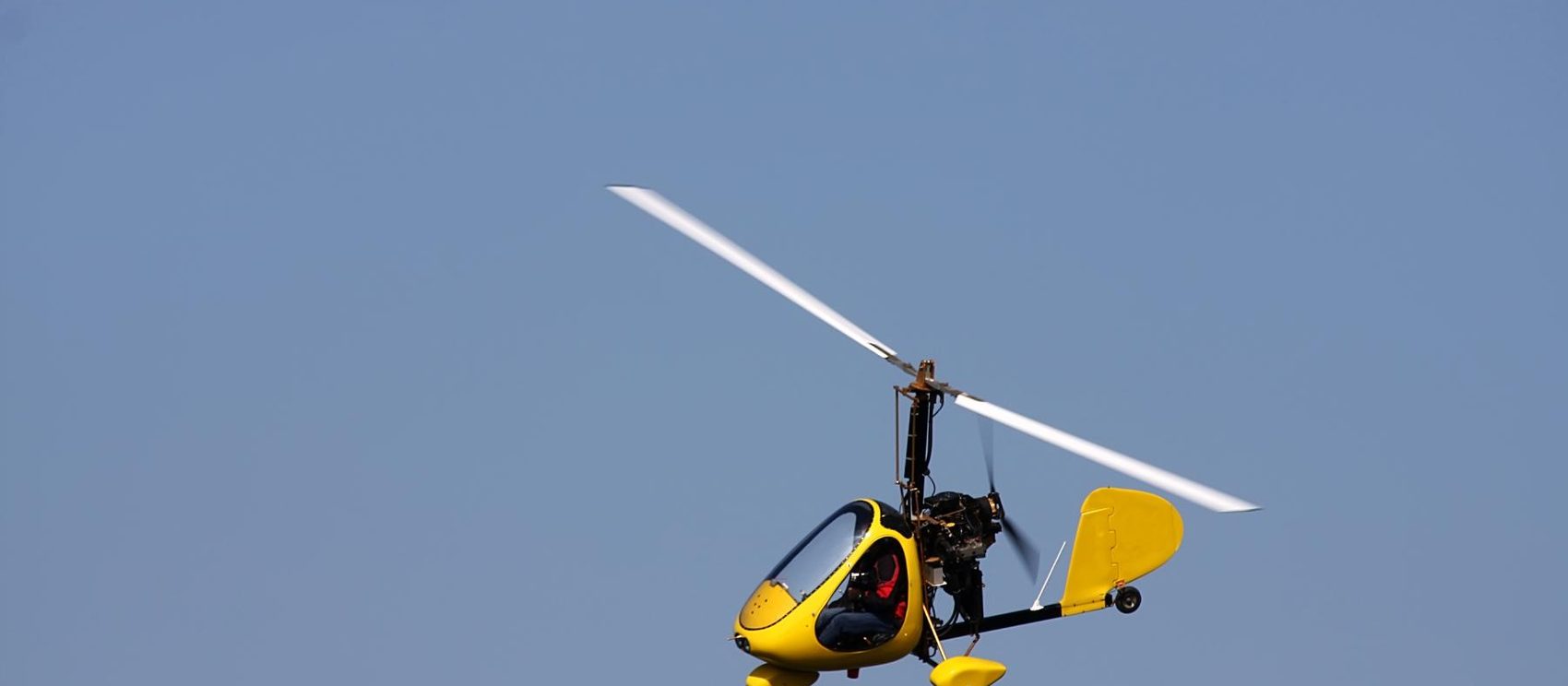
They are the same aircraft. Gyroplane is the word regulators use, gyrocopter is the word almost everyone else uses, and autogyro is what the books called it for the first fifty years. Nothing about the machine changes when the name does.
That answer disappoints people, because the question usually comes from somewhere real. You have read two listings, one says gyroplane and one says gyrocopter, and you are trying to work out whether you are comparing like with like. You are.
The short version
- Gyroplane, gyrocopter and autogyro name the same aircraft. The word tells you who wrote the advert, not what is for sale.
- Gyroplane is the regulatory term. On a form, in a logbook, or when reading what a certificate permits, expect that one.
- Rotorcraft is not a synonym. It is the category above, and it includes helicopters.
- Neither name marks a kit apart from a factory aircraft. A listing headed gyrocopter can be either.
Where each name came from
Juan de la Cierva flew the first practical machine of this kind in the 1920s and called it the Autogiro, spelled with an i. That was his trade name, not a generic term, though the spelling with a y drifted into ordinary English and stuck. Pick up a book written before about 1970 and autogyro is the word you will find.
Gyrocopter arrived later and by the same route: a trade name that escaped into general use. It is now the word people type into a search box, which is why it is on the front of this site.
Gyroplane is the regulatory term. When an authority writes a rule about these aircraft, that is the word in the rule. If you are reading anything official, or filling in a form, expect gyroplane.
| Word | Where it came from | Where you will meet it |
|---|---|---|
| Gyroplane | The term authorities settled on | Rules, forms, certificates, logbooks |
| Gyrocopter | A trade name that passed into general use | Adverts, search boxes, everyday speech |
| Autogyro | Cierva's Autogiro, respelled by ordinary English | Books and articles, mostly older ones |
| Rotorcraft | Not a name for this aircraft at all | The category above it, helicopters included |
The word that is not a synonym
Rotorcraft is not another name for the same thing, and this one is worth getting right because it appears in regulatory documents where precision matters.
Rotorcraft is the category: aircraft that get their lift from turning blades rather than fixed wings. Helicopters are rotorcraft. Gyroplanes are rotorcraft. So every gyroplane is a rotorcraft, and a rule written for rotorcraft may well apply to you, but a rule written for helicopters does not.
Does the name tell you anything at all
Occasionally somebody argues that gyrocopter implies a lighter or homebuilt machine and gyroplane implies a factory one. It is worth knowing that argument exists, and worth ignoring it. The words are used interchangeably by manufacturers, sellers and pilots, and there is no rule anywhere that assigns them to different classes of aircraft. A listing headed gyrocopter can be a certified factory aircraft; one headed gyroplane can be a kit somebody built in a shed.
In short, the name on the advert tells you about the person who wrote it, not about the machine.
What actually differs between two machines
Since the names tell you nothing, here is what does.
- Whether the cabin is enclosed or open.
- Whether the seats are side by side or one behind the other.
- Which engine is fitted.
- What the airframe is made of.
- What the aircraft weighs empty, and what it may weigh at takeoff.
Those are the fields worth comparing across two listings, and they are what our manufacturer pages record, reproduced as each manufacturer publishes them rather than converted or tidied.
Which word should you use
Use whichever the person you are talking to used. An instructor will say gyroplane if they are talking about your certificate and gyro if they are talking about the aircraft in front of you. A seller will say gyrocopter because that is what buyers search for. None of them is correcting you.
The one place to be careful is paperwork. On a form, in a logbook, or when you are reading what a certificate permits, use the word the document uses. That is nearly always gyroplane, and it is the only context where the choice carries any weight at all.
If you want the mechanical answer to what makes this aircraft different from a helicopter, that is a genuinely different question, and the short version is that nothing drives the rotor. We cover it in what is autorotation.
Compare the things that actually vary
Cabin, seating, engine, airframe and weights, recorded per aircraft as each manufacturer publishes them. That is where the real differences are.
Report inaccurate information. This page mixes public data with our own notes. Tell us what looks off and we will check it.